Connect with us

Europe

EU Ministers Seal 2026 Migration Reform Deal

Published

on

EU interior ministers have approved a far-reaching migration reform for 2026, introducing stricter asylum procedures, faster deportations and a new solidarity mechanism aimed at easing pressure on frontline states and restoring confidence in the bloc’s border management.

Interior ministers of EU member states have reached an agreement on a comprehensive migration reform package for 2026, following years of political deadlock. The new regulations include tighter asylum procedures, faster deportations and new mechanisms for sharing financial responsibility.

Key Elements of the Reform

  • Simplification of deportation procedures and expansion of detention capacity.
  • Adoption of “safe third country” and “safe country of origin” lists.
  • Creation of a €430 million solidarity fund to support states under pressure.
  • An additional plan for the relocation of 21,000 people in 2026.
  • Three solidarity options for member states: relocations, financial contributions or alternative measures.
  • Cyprus, Greece, Italy and Spain identified as the countries most affected by migration pressure.

Purpose and Roadmap of the Reform

EU officials state that the reform package aims to revive the spirit of solidarity within the bloc and strengthen border control, particularly in the aftermath of the migration crisis that began in 2015. The accelerated rejection and return procedures are designed to reduce the burden on certain member states.

Danish Interior Minister Rasmus Stoklund summarized the intent of the reform by saying, “We will be able to reject and return people who do not have the right to asylum in Europe more quickly. It should not be human smugglers who control access to Europe.”

Additionally, EU Migration Commissioner Magnus Brunner highlighted the significance of restoring public trust: “It is also important to give people the feeling that we have control over what is happening.”

Concerns, Criticism and Political Tension

Human rights groups and several political figures have strongly criticized the decisions. Organizations such as Amnesty International have compared the measures to harsh deterrence-based policies.

Meanwhile, Melissa Camara, a member of the French Green Party, described the proposed changes as “abandoning our fundamental values and human rights.”

Some EU members remain reluctant to share responsibility. After the meeting, Germany’s Alexander Dobrindt announced that Germany would not accept additional asylum seekers nor provide extra financial support.

The reform has revived politically sensitive debates within the EU, causing significant concern among those advocating for broader protections for asylum seekers.

A Path Defined by Control, Solidarity and Ongoing Debate

The newly adopted package aims to enhance control and coordination in EU migration management, institutionalize burden-sharing and ease the pressure on frontline states. However, the reluctance of some member states, warnings from human rights advocates and persistent public divisions may complicate the implementation.

The practical effects of the reform — as well as its implications for the EU’s value-based identity — will be closely monitored in the months ahead.

Continue Reading
Click to comment

Leave a Reply

Your email address will not be published. Required fields are marked *

Europe

Another Scandal: UK Minister Helped Epstein Access Downing Street

Published

on

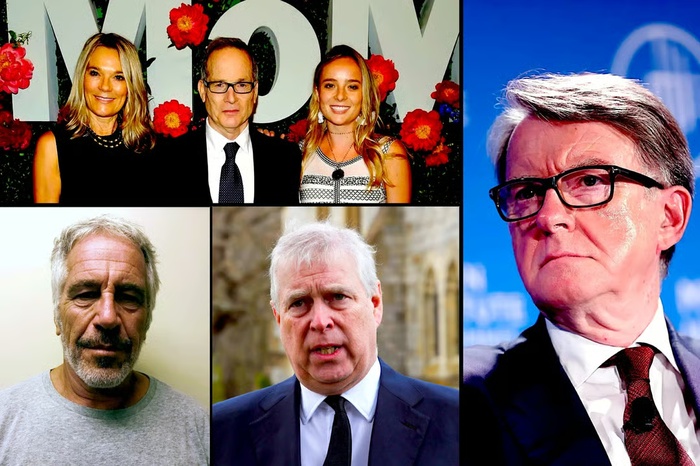
DoJ’s Epstein Emails show UK minister Peter Mandelson tried to arrange access to Downing Street for Epstein’s 15-year-old “goddaughter” from Dubin Family while Epstein was jailed, intensifying a political crisis already linked to investigations and prior disclosures.

An Al Jazeera Exclusive reveals that Epstein emails released by the U.S. Department of Justice deepen scrutiny of Peter Mandelson’s ties to Jeffrey Epstein, revealing attempts to facilitate access to senior UK institutions during a period when Epstein was serving an 18-month sentence for sex offenses involving a minor.

The correspondence shows Epstein seeking help from Mandelson in 2009 to arrange visits to 10 Downing Street and the House of Lords for a 15-year-old girl he described as his “goddaughter.”

Mandelson asked, “how old?”, to which Epstein replied “15,” adding that she would be accompanied by her parents. Mandelson responded: “Fine on all,” before later stating he was “trying my best to accommodate” the request.

The exchange occurred while Mandelson was serving in government under Gordon Brown and Epstein was in prison as a sex offender in Florida.

Subsequent emails suggest the visit coincided with access to Buckingham Palace. Glenn Dubin later wrote to Epstein: “Grt time in buck palace…. ….andrew was great. Thx! G.”

Epstein then wrote to Ghislaine Maxwell: “andrew had tea with the dubin kids and glenn.” The references appear to involve Prince Andrew, who later faced a 2021 lawsuit over allegations linked to Epstein, settled out of court.

The files indicate sustained contact between Mandelson and Epstein across multiple years, including after Epstein’s 2008 conviction. Mandelson wrote: “I think the world of you,” while also advising him: “You are fighting back so you need strategy.”

Financial records cited in the documents show payments of $25,000 in 2003 and June 2004 to accounts associated with Mandelson, while a 10,000-pound ($13,310) transfer was later made to his husband for course fees, structured as a loan to avoid tax implications.

The disclosures have intensified political pressure on Prime Minister Keir Starmer, who appointed Mandelson as US ambassador in 2024. Mandelson stepped down after the first tranche of files in September 2025.

A second release on January 30 alleged he passed sensitive information to Epstein, prompting a police investigation. Authorities conducted raids on Mandelson’s homes in February, and he was briefly arrested before being released on bail.

Officials had previously warned of “reputational risk” during vetting, but the appointment proceeded. The fallout has since forced the resignation of 2 senior aides and renewed calls for Starmer to step down.

Earlier emails from 2002 onward reveal a relationship blending personal, political, and financial ties. Mandelson referred to Epstein as his “best pal,” while Epstein facilitated introductions with senior figures including JPMorgan executives.

In one exchange, Mandelson told Epstein: “You are the only person that knows everything about me.” The correspondence continued until at least 2016, with government assessments suggesting contact persisted until 2019.

Continue Reading

Europe

Greek Cyprus Seeks New Security Deal for UK Bases

Published

on

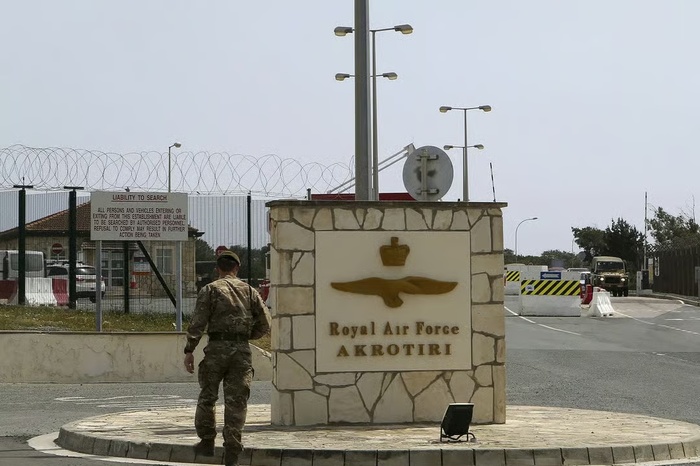
Greek Cyprus has reportedly requested negotiations with the United Kingdom to revise security arrangements for British military bases on the island following recent Iranian drone attacks, according to a report cited by the Telegraph.

Greek Cyprus is seeking updated security arrangements with the United Kingdom concerning its sovereign military bases on the island, following heightened regional tensions linked to recent Iranian drone activity.

According to the report, Greek Cypriot leader Nikos Christodoulides discussed the matter in a phone call with UK Prime Minister Keir Starmer on Saturday. The conversation reportedly addressed concerns about security in the wake of recent drone incidents in the region.

The proposal centers on revisiting the 1960 agreement that established the UK’s Sovereign Base Areas of Akrotiri and Dhekelia. Greek Cyprus is said to be seeking adjustments to the security framework once the ongoing Iran-related conflict stabilizes.

Importantly, the request does not include any demand for the UK to relinquish control of the bases.

A spokesperson for the UK Ministry of Defence stated that the status of the bases is not subject to negotiation. The official emphasized that the Sovereign Base Areas have remained under British sovereignty since Cyprus gained independence in 1960 and that there are no plans to alter this arrangement.

The spokesperson also highlighted the continued strong relationship between the UK and Greek Cyprus, particularly in the context of regional security concerns.

The request follows a recent drone strike that caused minor damage at the Akrotiri base, prompting responses from European naval forces earlier this month. The incident has contributed to growing security concerns across the Eastern Mediterranean amid broader regional instability.

Greek Cyprus has not yet publicly responded to the reported request, and the information has not been independently verified. The situation reflects increasing attention on strategic military installations in the region as geopolitical tensions persist.

Continue Reading

Europe

EU Limits Hungary in Sensitive Talks Over Russia Leak Fears

Published

on

The European Union has begun restricting Hungary’s access to confidential discussions and shifting toward smaller group formats amid growing concerns that sensitive information from closed-door meetings could be shared with Russia, according to diplomats cited by POLITICO.

The European Union is reportedly limiting Hungary’s participation in sensitive discussions as concerns mount among diplomats that confidential information from EU meetings could be passed to Russia, POLITICO reported.

EU officials and diplomats say there are increasing suspicions that Hungary’s government under Prime Minister Viktor Orbán may have shared details from closed-door discussions with Moscow. According to the report by POLITICO, these concerns have led to adjustments in how sensitive diplomatic talks are conducted.

Several European diplomats expressed worries that confidential material discussed in meetings involving Hungary could be exposed to external actors, prompting the EU to reconsider how information is distributed among member states.

In response to these concerns, EU leaders are reportedly organizing meetings in smaller, like-minded groups rather than convening all 27 member states. Informal groupings such as the Weimar Triangle and other regional alliances are being used more frequently to conduct sensitive diplomacy.

This approach, diplomats say, is intended to reduce the risk of sensitive discussions being leaked while still allowing coordination among trusted partners.

Polish Prime Minister Donald Tusk publicly criticized Hungary’s leadership, stating that suspicions regarding information sharing with Russia are longstanding. His comments, shared on social media, reflect broader unease among some EU members.

Former Lithuanian Foreign Minister Gabrielius Landsbergis also reportedly indicated that concerns about Hungary’s handling of sensitive information had influenced how discussions were conducted in previous EU and NATO meetings.

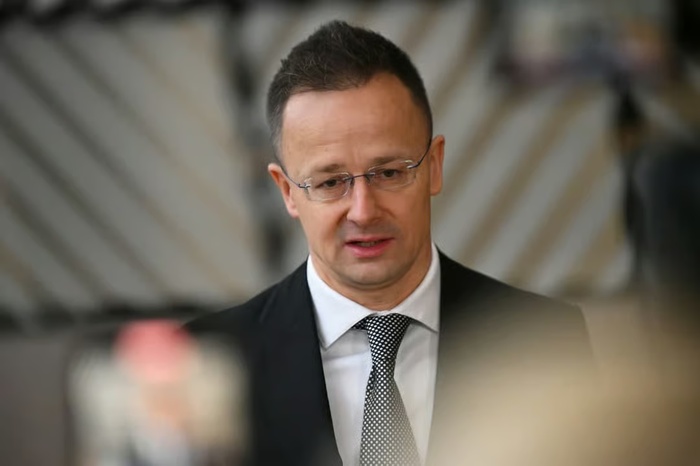
Hungarian officials have strongly denied the allegations. Hungary’s Europe Minister János Bóka dismissed the reports as “fake news,” while Foreign Minister Péter Szijjártó rejected claims of cooperation with Moscow, calling them unfounded and politically motivated.

Hungarian representatives argue that the reports are part of a broader political campaign ahead of upcoming national elections, and insist that Budapest remains committed to its obligations within the EU.

EU officials have indicated that no formal action has been taken against Hungary at this stage, partly due to concerns about influencing the country’s upcoming elections. However, diplomats suggest that the situation could be reassessed depending on the electoral outcome.

Some officials warned that continued mistrust could undermine cooperation within the EU and affect long-term decision-making processes, particularly in areas related to security and foreign policy.

The allegations highlight ongoing tensions within the EU regarding relations with Russia and internal cohesion on security matters. While discussions among member states often involve sensitive geopolitical issues, the potential for leaks has raised questions about trust and information sharing mechanisms.

Diplomats say that while no single measure can fully eliminate the risk of information exposure, increased use of classified protocols and restricted formats may help mitigate potential vulnerabilities moving forward.

Continue Reading

Trending